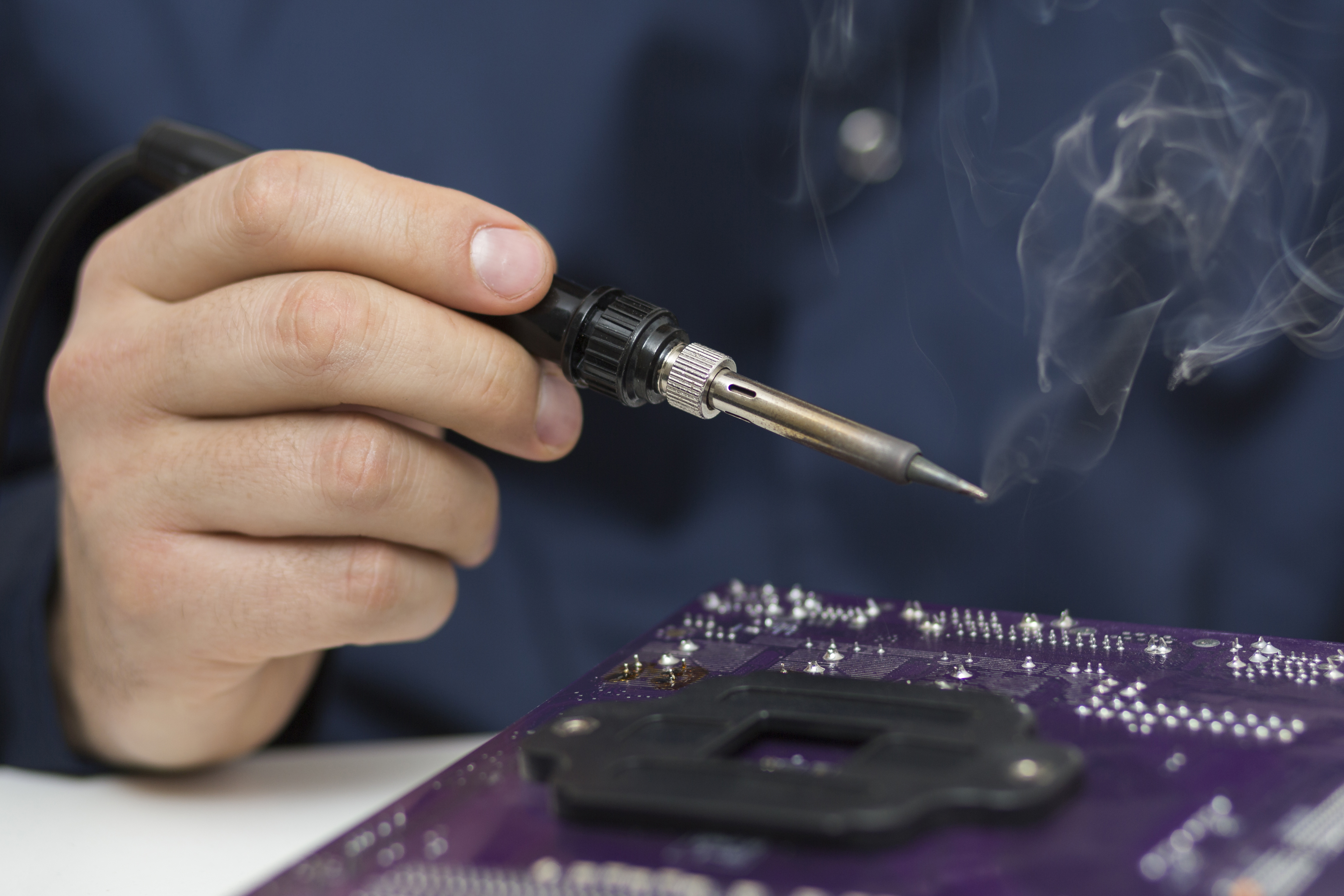
One tiny component can shut down an entire smartphone. One precise repair can bring it back to life.
As smartphones, tablets, and other electronic devices become thinner and more powerful, their internal components are becoming incredibly small and complex. Traditional soldering methods are often not enough to repair these delicate circuits. This is where microsoldering becomes an essential skill for modern mobile phone technicians.
For aspiring technicians looking to build a career in advanced mobile repair, learning microsoldering can open the door to high-value repair opportunities. Magnus Institute of Technology focuses on practical, industry-oriented technical training that helps students understand modern smartphone repair techniques.
Microsoldering is a specialized electronic repair technique used to repair, replace, or reconnect extremely small components on a circuit board.
Unlike conventional soldering, microsoldering requires exceptional precision because technicians may work with components and connections that are smaller than a grain of rice. A small mistake can damage a circuit board, while accurate soldering can restore a device that might otherwise be considered beyond repair.
Microsoldering is commonly used for repairing:
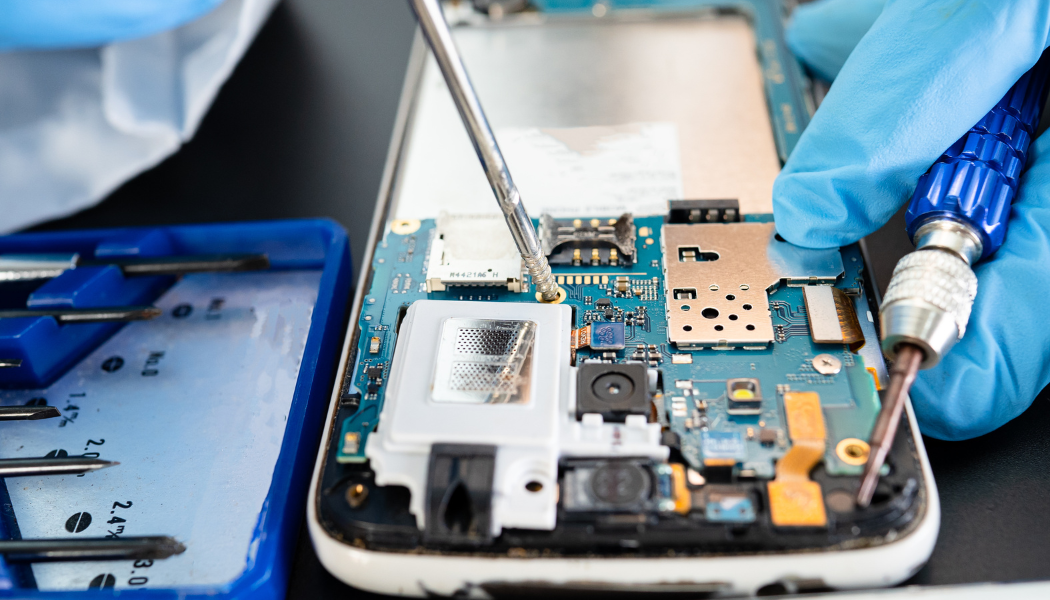
Modern smartphones contain highly integrated circuit boards packed with tiny electronic components. When a phone suffers from physical damage, liquid exposure, overheating, or component failure, replacing the entire motherboard can be extremely expensive.
Microsoldering provides another solution.
Instead of replacing an entire board, a skilled technician can identify the faulty component and repair or replace only the damaged part. This can reduce repair costs, extend device life, and prevent unnecessary electronic waste.
For example, a smartphone with a damaged charging circuit may not require a complete motherboard replacement. With the right diagnostic skills and microsoldering equipment, a technician may be able to repair the affected circuitry.
Microsoldering combines technical knowledge, precision tools, magnification, and steady hand control.
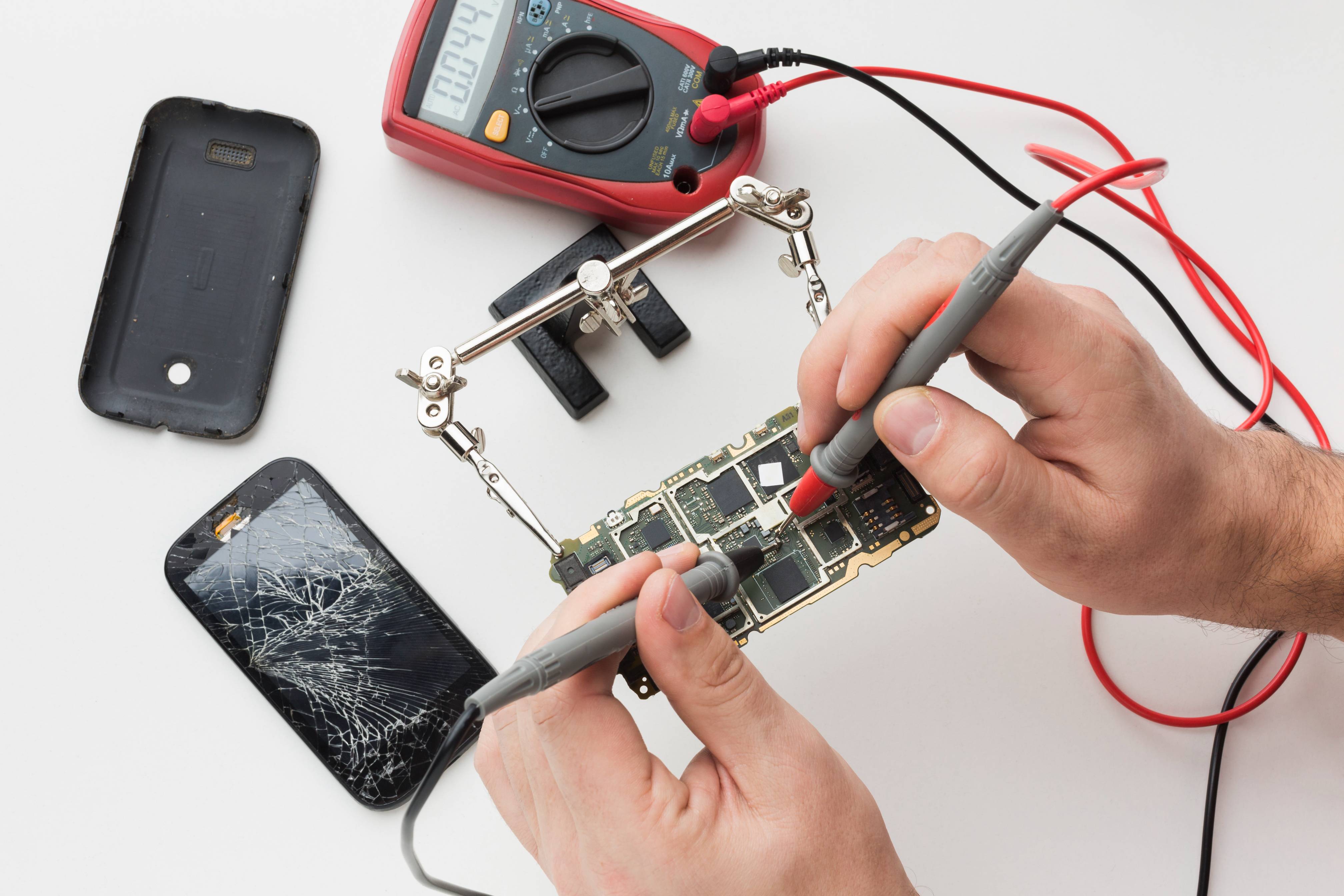
A typical repair begins with diagnosis. The technician examines the motherboard and identifies the faulty component or damaged connection. A stereo microscope or high-magnification inspection system is then used to clearly view the microscopic components.
Depending on the repair, the technician may:
This process demands patience and precision. Microsoldering is not simply about heating solder—it is about understanding circuits and controlling heat, pressure, and placement accurately.
A professional microsoldering workstation typically includes specialized equipment such as:
Stereo Microscope
A quality microscope allows technicians to clearly see tiny components, solder joints, PCB traces, and microscopic damage.
Precision Soldering Iron
Fine soldering tips allow technicians to work accurately on small components without unnecessarily heating surrounding areas.
Hot Air Rework Station
Hot air is useful for removing and installing certain surface-mounted components and ICs with controlled heat.
Fine ESD-safe tweezers help technicians safely position and remove tiny electronic components.
ESD Protection
Electrostatic discharge can damage sensitive electronic components. ESD-safe workbenches, mats, wrist straps, and appropriate tools help protect circuit boards during repair.
Inspection & Testing Equipment
Magnification and testing equipment help technicians identify faults and verify whether a repair has been completed successfully.
One of the biggest advantages of microsoldering is its ability to address problems that ordinary repair techniques cannot easily solve.
It can be used for:
Charging Problems: Damaged charging connectors and related circuitry can sometimes be repaired at board level.
Broken PCB Traces: Damaged conductive pathways can be carefully restored using specialized techniques.
IC Problems: Certain damaged or faulty integrated circuits can be removed and replaced.
Water Damage: Corrosion can affect microscopic connections. Microsoldering can help restore damaged areas after proper cleaning and diagnosis.
Connector Damage: FPC and other board-level connectors can require precise removal and replacement.
Advanced Board Repair: More experienced technicians can work on complex motherboard-level faults, including memory and communication-related circuits.
1. Higher-Level Repair Skills
Microsoldering takes a technician beyond basic screen, battery, and charging-port replacement into advanced motherboard repair.
2. Better Career Opportunities
As smartphones become more sophisticated, skilled board-level technicians can become valuable to repair centers, service businesses, and electronics companies.
Repairing a damaged motherboard instead of replacing an entire device can extend the product's usable life and reduce unnecessary electronic waste.
4. Build Your Own Repair Business
Advanced repair skills can help technicians offer specialized services that are not available at every ordinary mobile repair shop.
5. Solve Difficult Repair Problems
Microsoldering enables technicians to investigate and repair faults that may otherwise result in a device being declared unrepairable.
What Makes Microsoldering Challenging?
Microsoldering requires more than expensive equipment.
A technician needs patience, hand-eye coordination, circuit knowledge, component identification skills, heat control, and extensive practical practice.
Using excessive heat can damage nearby components. Applying too much mechanical pressure can lift PCB pads or traces. Poor ESD protection can damage sensitive electronics. Even a tiny solder bridge can create a short circuit.
That is why proper training and supervised hands-on practice are so important.
For students interested in building a career in the mobile phone repair industry, learning modern board-level repair techniques can be a major advantage.
At Magnus Institute of Technology, students can develop practical knowledge related to smartphone technology and repair while gaining exposure to the tools and techniques used in modern electronics servicing.
From understanding smartphone components to developing advanced repair abilities, the right training can help transform an interest in technology into a practical career skill.
Start Your Journey into Advanced Mobile Repair
The future of mobile repair is moving beyond simple part replacement. As smartphones become more compact and sophisticated, board-level repair and microsoldering skills are becoming increasingly valuable.
If you are passionate about technology and want to develop advanced mobile repair skills, microsoldering is a powerful skill to add to your technical toolkit.
Learn the technology. Master the precision. Build your future in mobile phone repair with Magnus Institute of Technology.
 Magnus Forum